Counter-Strike 1.6 - Guides, Tools & Knowledge Base

Overview of Counter-Strike 1.6

The legendary tactical shooter that defined competitive FPS

Counter-Strike 1.6 is one of the most important versions of the Counter-Strike series. Built on Valve’s GoldSrc engine, it became the final major release of the original Counter-Strike and remained the main competitive version of the game for many years. Many mechanics that players still associate with Counter-Strike today - movement, recoil control, and round-based tactics - were refined during the CS 1.6 era.

Released in 2003 alongside Steam, CS 1.6 became the sixth and final version of the original Counter-Strike. Over time it grew into a large ecosystem supported by the community: public servers, LAN tournaments, mods, custom maps, skins, and tools that extended the life of the game far beyond its original release.

While Counter-Strike 2 represents the modern generation of the series, CS 1.6 remains an important reference point. Many players still return to it for its straightforward mechanics, predictable movement, and gameplay that focuses entirely on positioning, timing, and aim.

Why Counter-Strike 1.6 Still Matters

Pure mechanics, real skill, and a design that never aged

CS 1.6 remains relevant because it is the purest embodiment of what a tactical shooter should be. While modern games are drowning in cosmetic overload and hyper-realistic distractions, CS 1.6 stays focused on the fundamentals: movement, shooting, recoil control, and map knowledge. The GoldSrc engine has its own unmistakable character, with mechanics like wall-penetrating shots and fast strafing - a clear legacy of Quake - that still feel precise and satisfying today. The game doesn’t guide you with fancy animations or layered progression systems; it simply gives you a Glock, an AK-47, and a corner to hold. For many players, this isn’t nostalgia. It’s the realization that the core bomb-defusal gameplay was refined so well decades ago that everything added later often feels like a distraction from the essence.

Another reason CS 1.6 remains relevant is freedom. The community shaped the game far beyond its original release through mods, scripts, server tools, and custom content. From competitive servers to experimental game modes, CS 1.6 became an open platform where players controlled how the game evolved. This level of flexibility and ownership is something modern titles rarely allow.

One more reason CS 1.6 continues to matter is its unmatched accessibility. The game runs smoothly on almost any system, from old office PCs to low-end laptops, without demanding modern hardware or constant upgrades. This low barrier to entry made Counter-Strike 1.6 truly global, allowing players from different regions and economic backgrounds to compete on equal footing. Even today, this accessibility keeps the community alive - you don’t need powerful hardware, only skill, knowledge, and consistency.

Finally, CS 1.6 matters because it defined the culture of Counter-Strike itself. The pacing of rounds, the tension of clutch situations, the mind games of economy management, and the respect for clean, skill-based play all started here. Newer versions may look more advanced, but the core philosophy hasn’t changed - and that philosophy was perfected in Counter-Strike 1.6.

CS 1.6 Knowledge Base

Everything you need to play smarter, smoother, and more efficiently

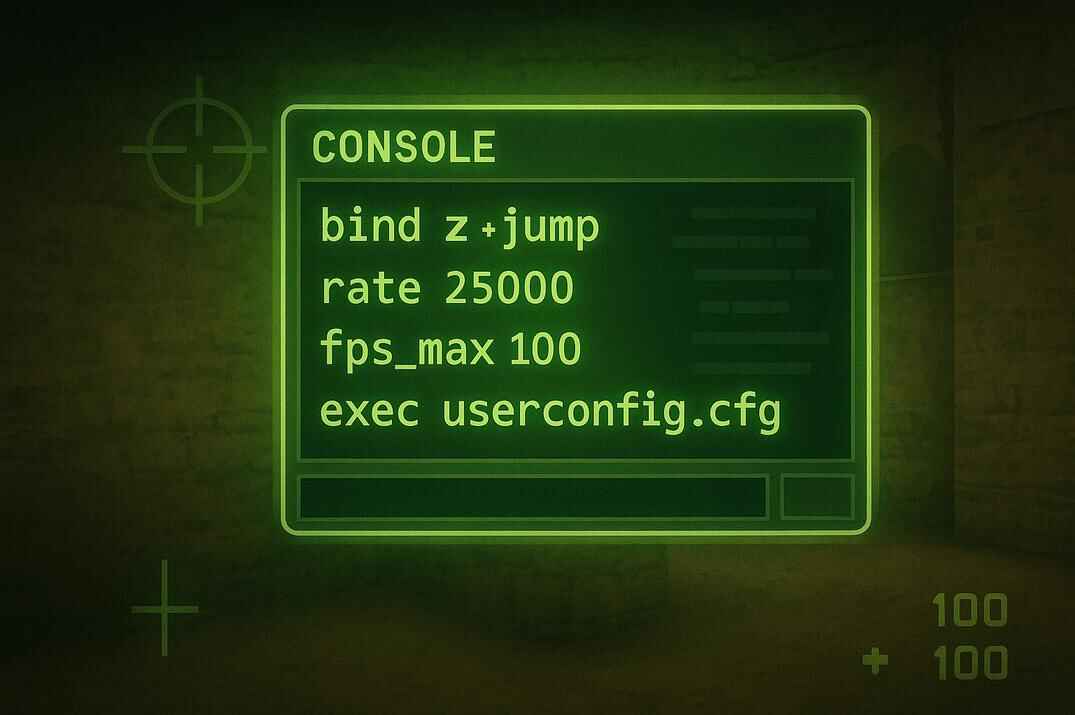
The CS 1.6 Knowledge Base is the central hub for practical guides, tools, and tutorials built around real gameplay needs. This section is not about theory or nostalgia - it’s about solving everyday problems players face on servers, whether you’re tweaking configs, improving movement, fixing performance issues, or setting up scripts and binds.

Here you’ll find carefully structured resources covering the technical side of Counter-Strike 1.6 as well as gameplay fundamentals. Each section is designed to be clear, usable, and relevant, even if you’ve been playing the game for years.

Most Useful CS 1.6 Guides

These are the most valuable and frequently used CS 1.6 guides - the ones players come back to again and again. They focus on core aspects of the game: configs, mouse and crosshair settings, movement mechanics, scripting, performance optimization, and quality-of-life improvements that make gameplay cleaner and more consistent.
Recently Updated Guides

This section highlights newly published and recently updated content. Even though CS 1.6 is a classic game, new tools, setups, and approaches still appear - especially in scripting, server configuration, and performance tuning.

This section helps you stay up to date with the newest guides added to CSbePRO. If you’re looking for recent optimizations, updated scripts, or newly documented techniques, this is where you’ll find them first.

CS 1.6 Modding & Customization

Community-driven tools and mods that keep the game alive

One of the main reasons Counter-Strike 1.6 never faded away is its openness to modification. Unlike modern games with locked-down systems, CS 1.6 was built in an era where players were free to experiment, tweak, and reshape the game to fit their needs. Modding became a natural extension of gameplay - not an exploit, but a feature.

Over the years, this freedom turned CS 1.6 into a flexible platform rather than a static game. From server-side tools and scripting systems to full visual overhauls, the modding ecosystem allowed communities to build their own experience while keeping the original mechanics intact.

CS 1.6 Tools

CS 1.6 tools are the technical backbone of the entire modding scene. These utilities are used for server administration, scripting, asset creation, and deep customization of the GoldSrc engine. They allow players and admins to work directly with game files, configs, models, sprites, sounds, and plugins - something that is nearly impossible in modern Counter-Strike versions.

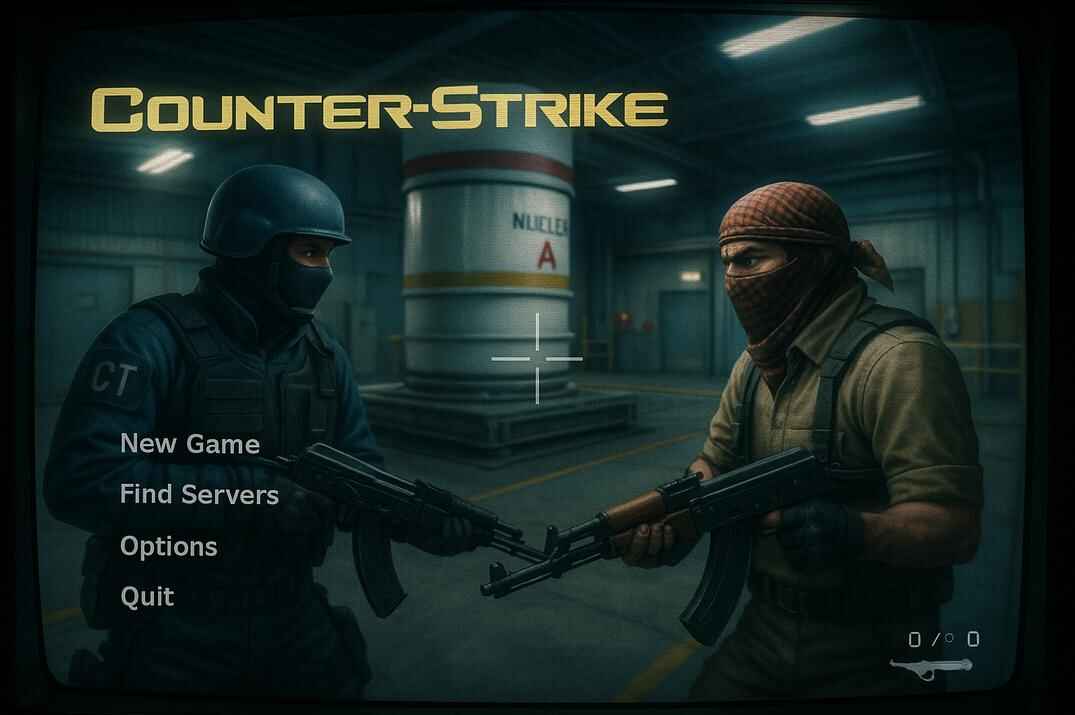
Well-known tools such as Half-Life Model Viewer, Valve Hammer Editor, Wally, HL Logo Creator, and custom CS 1.6 background menu editors became standard utilities for working with GoldSrc assets. These programs gave creators direct access to models, maps, textures, logos, and interface elements, forming the foundation of CS 1.6 modding long before modern engines restricted file-level control.

For running a public server, developing custom content, or simply fine-tuning gameplay behavior, tools like Metamod, AMX Mod X, ReHLDS, model editors, and compilers give you full control over how CS 1.6 behaves. This level of access is a major reason why serious communities still choose 1.6 for custom servers and long-term projects.

CS 1.6 Mods

CS 1.6 mods are not separate games - they are themed transformations of the original experience. Most mods work by replacing models, textures, sounds, HUD elements, and interface files while preserving the core gameplay mechanics that define Counter-Strike. This allows players to enjoy a fresh visual style without losing the familiar feel of the game.

From clean "Original" builds to fully styled editions with custom weapon skins, player models, and UI designs, mods give players choice. You can keep CS 1.6 as close to the classic Steam version as possible or turn it into a visually modernized variant - all without breaking compatibility with servers or changing how the game is played.

History of Counter-Strike 1.6

From a small mod to the foundation of competitive FPS

Counter-Strike didn’t start as a standalone game, but as a modification for Half-Life. The idea was simple yet brilliant: team-based battles built around clear objectives - eliminating the opposing team or rescuing and securing hostages. What began as an experiment quickly stood out from everything else available at the time.

The driving force behind this concept was Minh "Gooseman" Le, who had previously worked with Doom and Quake mods. Together with Jess Cliffe, he focused on creating a shooter that combined tactical teamplay with a more grounded, realistic approach to combat.

Early versions of Counter-Strike gained massive popularity within the Half-Life community. When the CS 3.0 beta caused a sensation in 1999, Valve quickly recognized its potential and officially acquired Counter-Strike in 2000. With Valve’s support, the mod evolved into a full commercial product, receiving constant updates, technical polish, and worldwide recognition.

In 2003, Counter-Strike 1.6 was released alongside the launch of Steam, marking the final and most refined version of the classic era. From that point on, updates were distributed digitally, and CS 1.6 became the foundation of Counter-Strike as a long-term competitive platform - not just a game, but a standard.

👉 Explore full CS 1.6 history

Interesting Facts About CS 1.6

Lesser-known details that shaped the game and its legacy

Counter-Strike 1.6 is filled with moments, decisions, and design choices that most players never learned about - even after years of playing. Some of them influenced how the game evolved, others became part of Counter-Strike folklore. Together, these facts show how raw experimentation, technical limits, and community-driven ideas shaped one of the most influential shooters ever made.

These aren’t opinions or nostalgia-driven memories. They are documented details from the early days of Counter-Strike - small stories that explain why CS 1.6 feels the way it does even today.

Did You Know?

  • Hostages came first. In the earliest versions of Counter-Strike, only hostage rescue maps (cs_) existed. Bomb defusal (de_) was introduced later, in Beta 4.0 - almost six months after the first public release. Early de_ maps had no marked bomb or rescue zones, turning matches into pure improvisation.
  • Jess Cliffe is the voice of Counter-Strike. The iconic radio commands like "Fire in the hole!" and "Go go go!" were recorded by Jess Cliffe himself. His voice became a permanent part of Counter-Strike’s audio identity.
  • The first CS version was built in just 90 days. Development began in spring 1999, and Beta 1.0 was released on June 19 - less than three months later. One of the most influential FPS games in history started as a fast-moving side project.
  • Counter-Terrorists once had a shield. At one point, CT players could buy a ballistic shield. It caused endless balance debates, was considered overpowered, and was eventually removed - but players from that era still remember how disruptive it was.
  • Cinema shaped Counter-Strike’s realism. Gooseman drew heavy inspiration from ’90s action films, especially Heat (1995). The famous bank shootout scene influenced CS’s tactical pacing and realism. Gooseman’s earlier work on Action Quake 2 also heavily shaped CS movement and gunplay.
  • Early versions were chaotic by design. Terrorists were originally labeled as the IRA, later renamed Phoenix Connexion, while Counter-Terrorists were SEAL Team 6. Rounds lasted up to eight minutes, there was no radar, no round timer, and hostage rescue had no real win condition. The only way to win was total elimination.
  • Dust2 was created in three days. David Johnston designed de_dust2 in just three days by rethinking the original Dust and removing its tactical limitations. The result became the most iconic and balanced map in Counter-Strike history.
  • Aztec was never meant to be competitive. de_aztec started as a fun experiment with open spaces, water, and bridges - breaking many CS design rules. Despite that, it became one of the most popular public server maps for years.
  • HeatoN launched pro gaming hardware. Swedish legend HeatoN became the first CS pro with branded gear when SteelSeries (then Icemat) released the HeatoN Edition mousepad - a key moment in the rise of esports hardware.
  • NEO is the most decorated CS 1.6 player. Filip "NEO" Kubski won over 40 major tournaments and maintained top-level performance for more than seven years, earning legendary status in competitive CS history.
  • The menu music comes from Half-Life. The classic CS 1.6 menu track (intro.wav) was taken directly from Half-Life and never replaced. It quietly became one of the most recognizable sounds in gaming.
  • CS 1.6 is still officially supported. The game remains available on Steam, with thousands of active players daily. The last official Steam update was released on December 12, 2023 - more than 20 years after its debut.
  • The first world tournament happened in Dallas. The first international CS tournament took place in Dallas in 2001. Ninjas in Pyjamas won the event, which featured a $150,000 prize pool - roughly $260,000 by today’s standards.
  • The first chicken appeared in 2000. Chickens debuted in June 2000 on cs_italy, starting their long journey from background detail to one of Counter-Strike’s most iconic mascots.

Counter-Strike 1.6 Media Gallery

Classic visuals, iconic maps, and the unmistakable CS 1.6 atmosphere

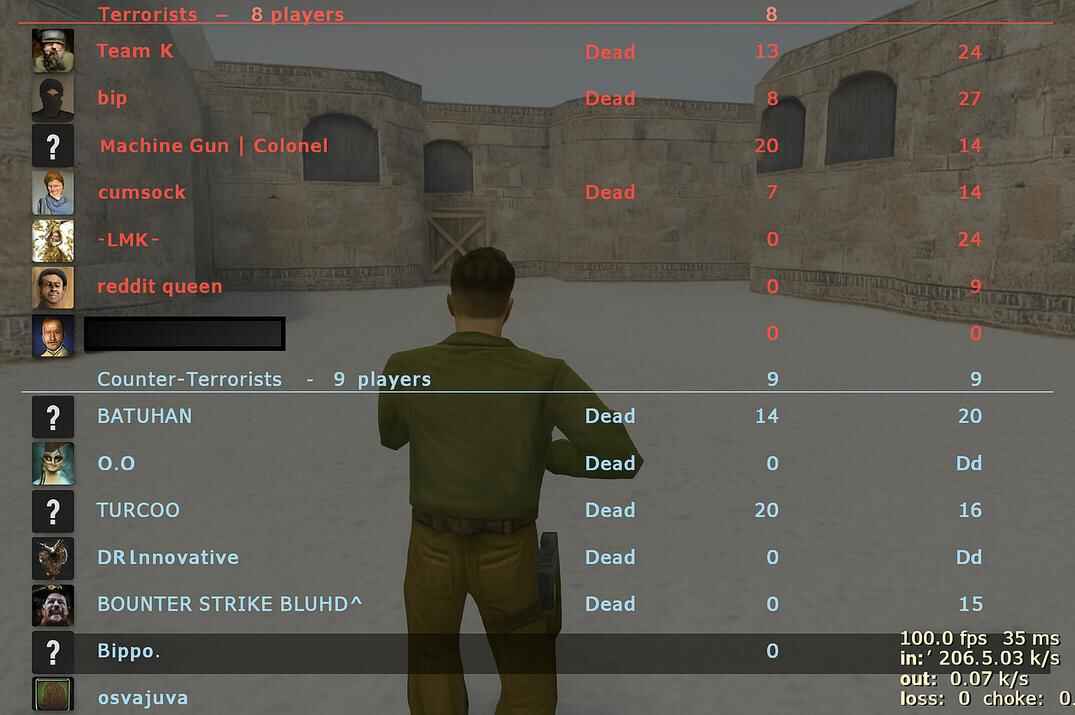
This media gallery captures the visual identity of Counter-Strike 1.6 as players remember it. From legendary maps to recognizable weapon skins and interface elements, these screenshots reflect the raw, functional look that defined the game for years.

Even in high resolution, CS 1.6 keeps its character. The lighting, textures, and layouts may be simple by modern standards, but they are instantly recognizable and deeply connected to gameplay. These images aren’t here to impress with graphics - they exist to preserve the look and feeling of a game that never needed visual upgrades to stay relevant.

FAQ about Counter-Strike 1.6

Common questions and answers about Counter-Strike 1.6

This section covers the most common questions players ask about Counter-Strike 1.6. The answers below are short and practical - designed to help you quickly understand key mechanics, features, and limitations without digging through long guides.

If you’re looking for deeper explanations, advanced setups, or niche topics, CSbePRO also maintains a dedicated Counter-Strike 1.6 F.A.Q. page with over 120+ questions and answers across 6 major categories, including gameplay, performance, settings, weapons, maps and skins.

Is Counter-Strike 1.6 still playable today?

Yes. Counter-Strike 1.6 is still available on Steam and remains playable online. Thousands of active servers are running worldwide, including public, competitive, and community-modified servers.

Do I need a powerful PC to play CS 1.6?

No. CS 1.6 runs smoothly on almost any system, modern or old. You don’t need a dedicated GPU or high-end hardware - basic systems are more than enough to play comfortably.

What is the difference between CS 1.6 and CS2?

CS 1.6 focuses on pure mechanics, simple visuals, and community-driven customization, while CS2 emphasizes modern graphics, matchmaking systems, and an official competitive structure. CS 1.6 is considered more raw and skill-focused by many veteran players.

Can I use mods and scripts in CS 1.6?

Yes. CS 1.6 has extensive support for mods, scripts, and server-side customization. Most community servers allow various plugins and scripts, though rules may differ depending on the server.

Is Counter-Strike 1.6 still supported by Valve?

Yes. Counter-Strike 1.6 is still officially supported on Steam>. The game received its latest update in December 2023, more than 20 years after its original release.