
Home » Counter-Strike 2 » TRAIN
10/11
TRAIN
Introduction
Train is one of the most iconic maps in Counter-Strike series, and it’s back in Counter-Strike 2 with updated visuals and refined gameplay. This guide walks you through everything you need to know about Train – from strategies and key spots to helpful callouts and tips that can help you win more matches.
Overview
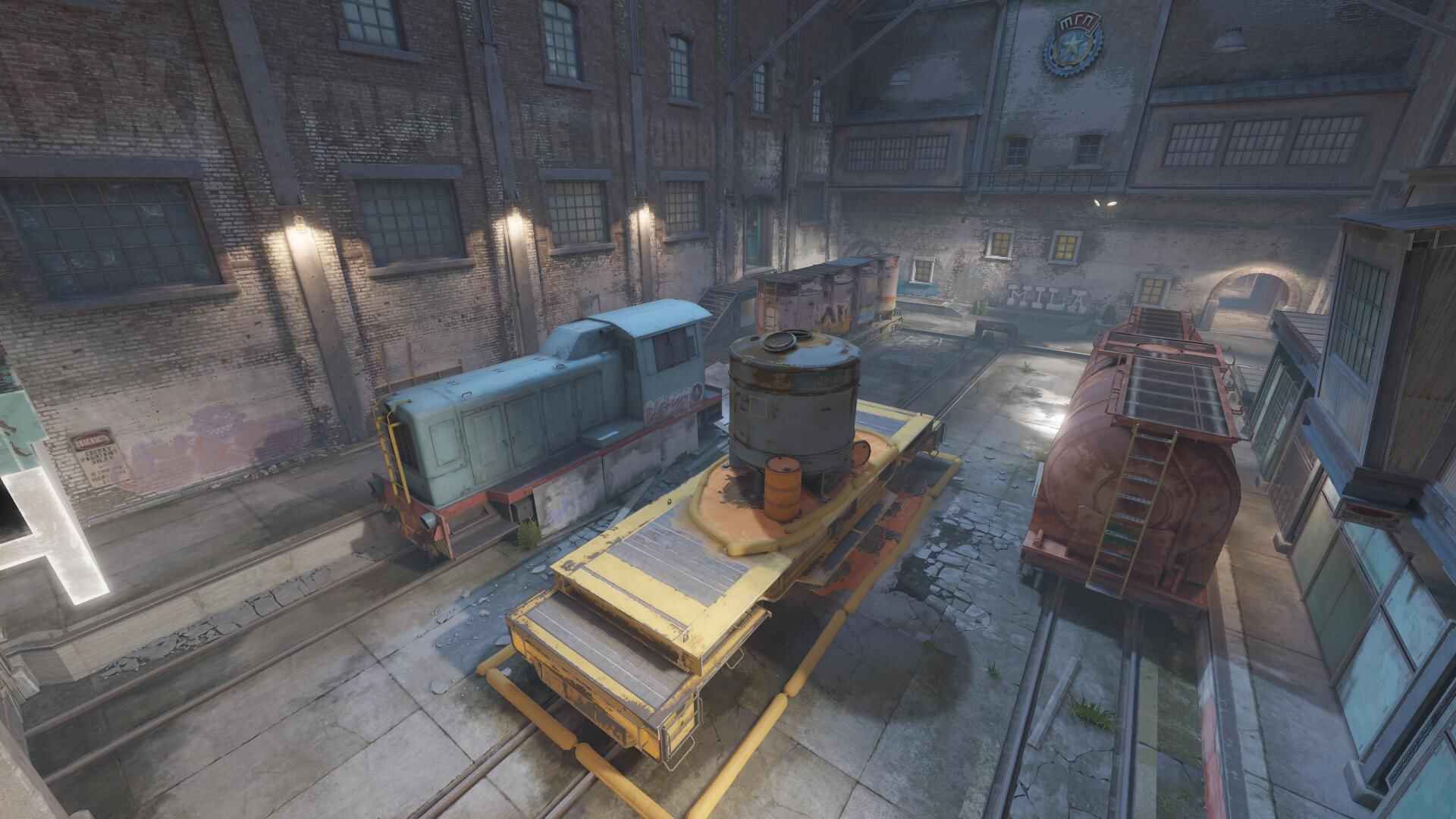
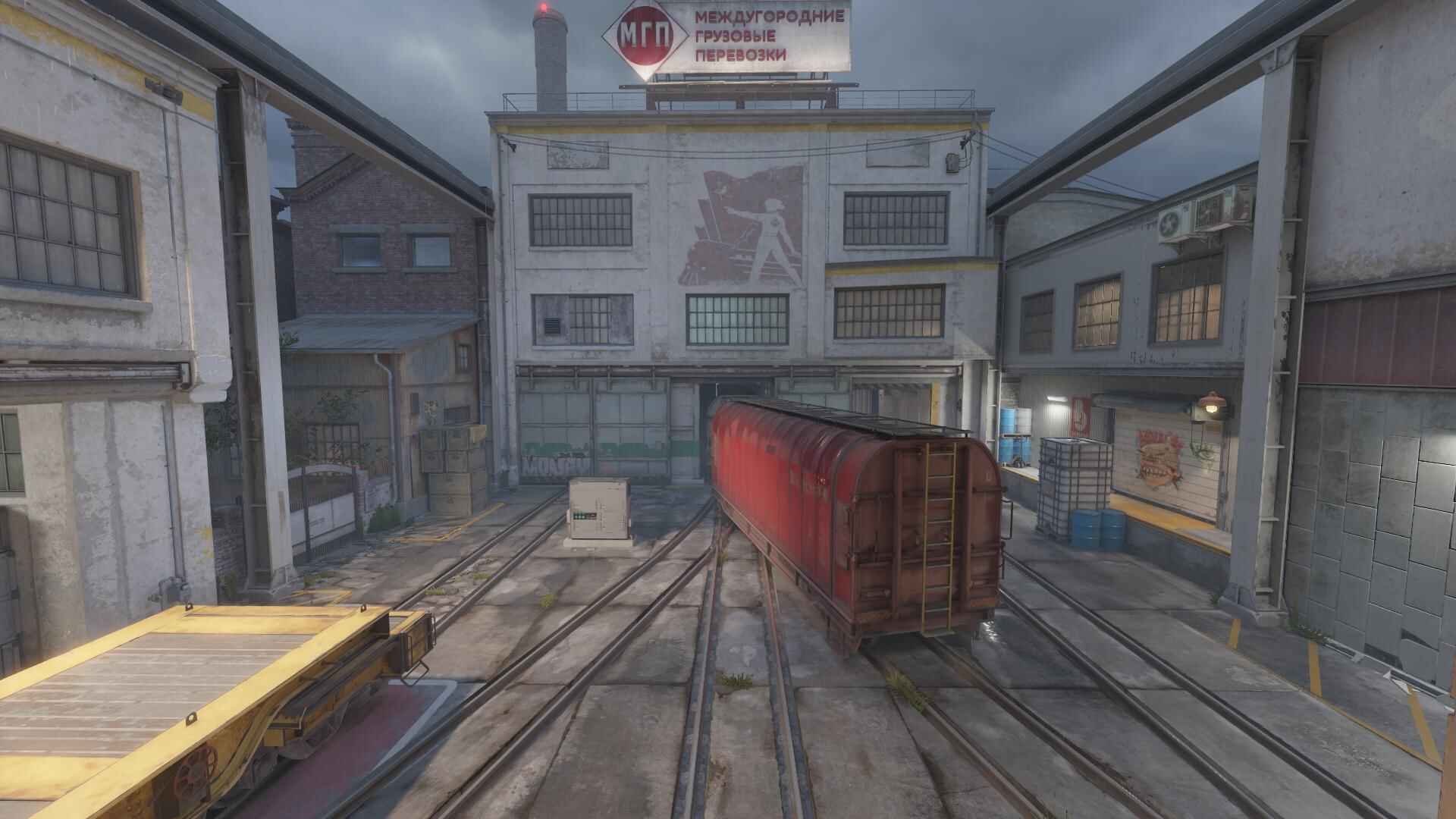
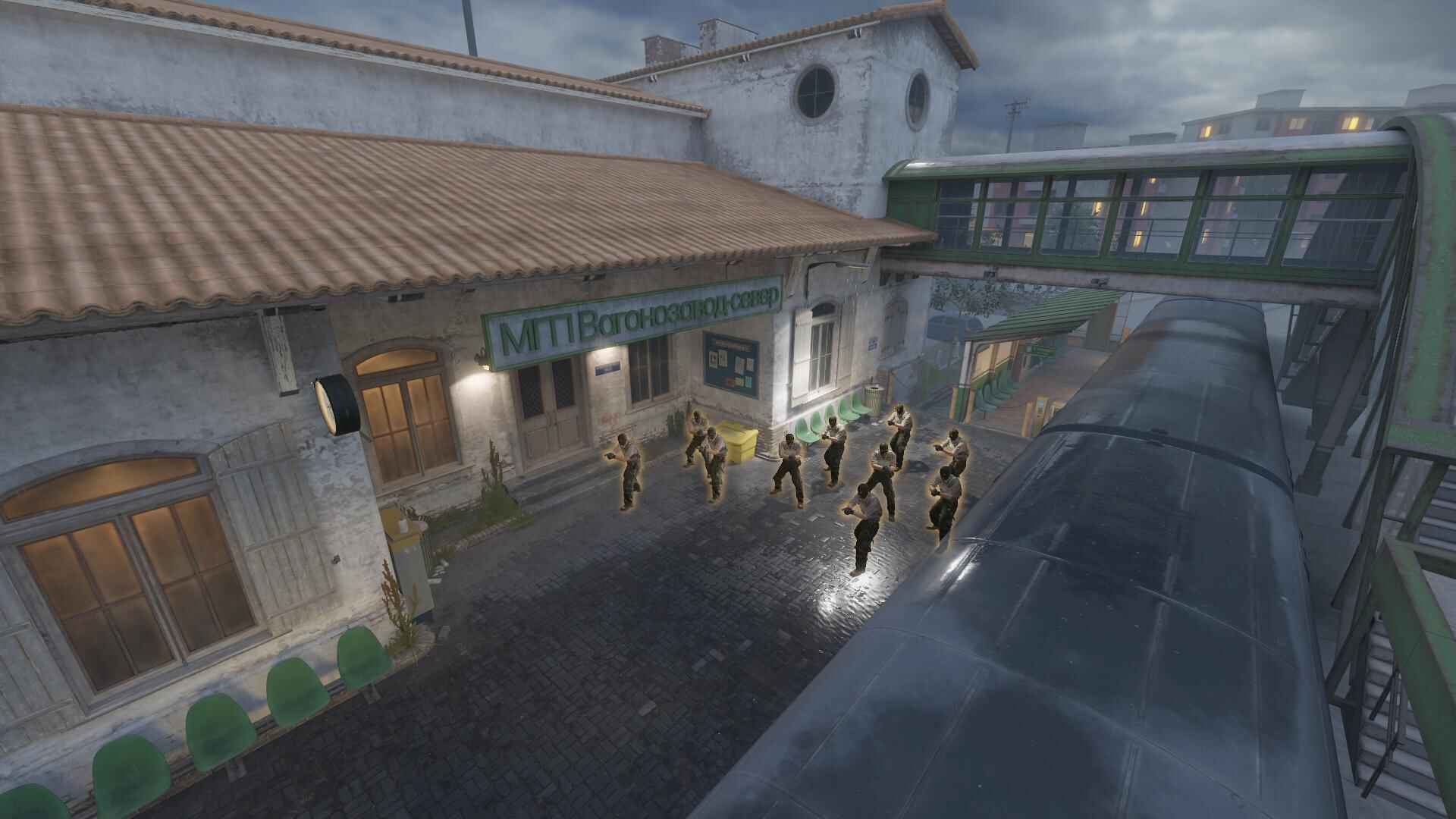
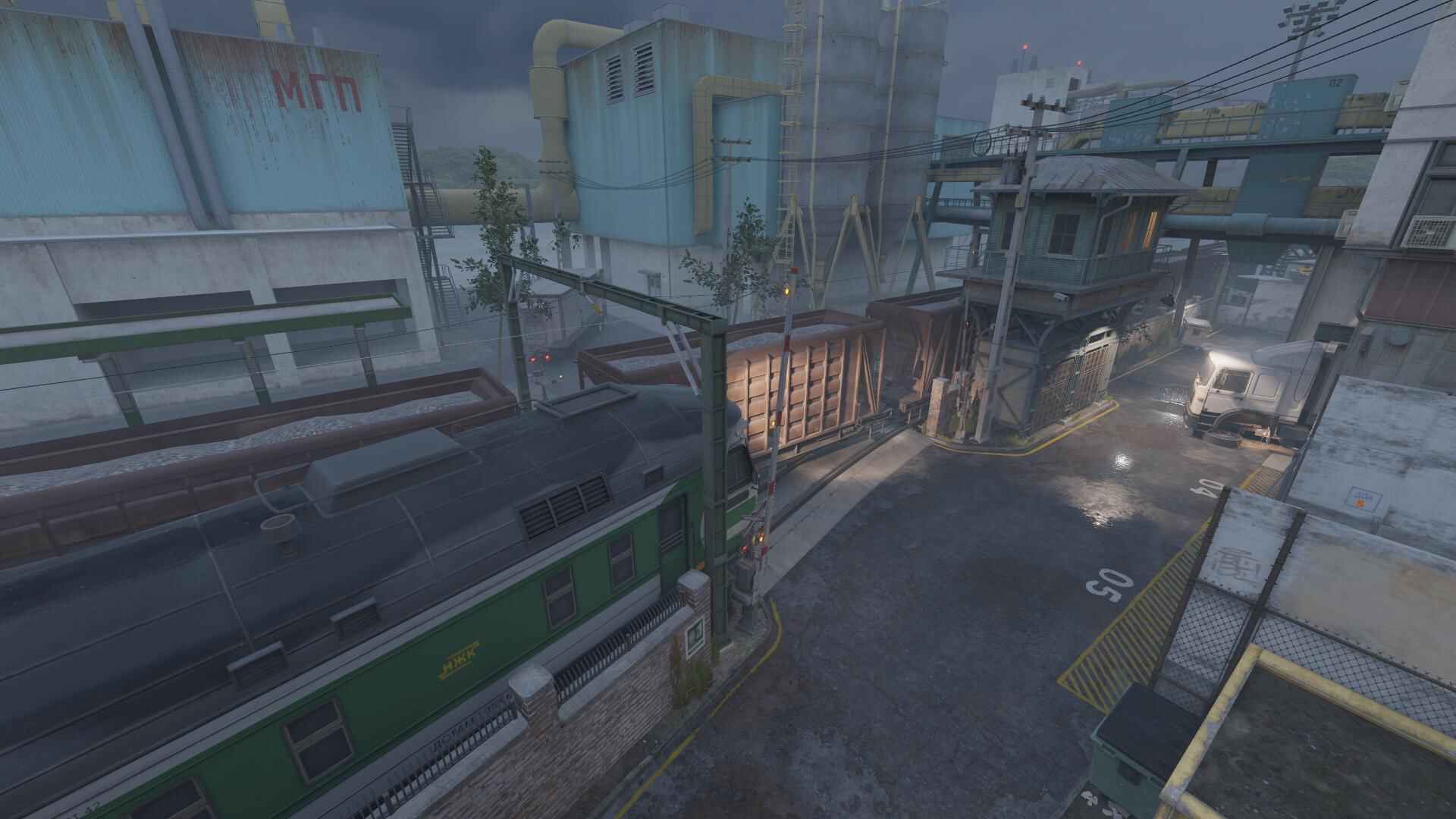
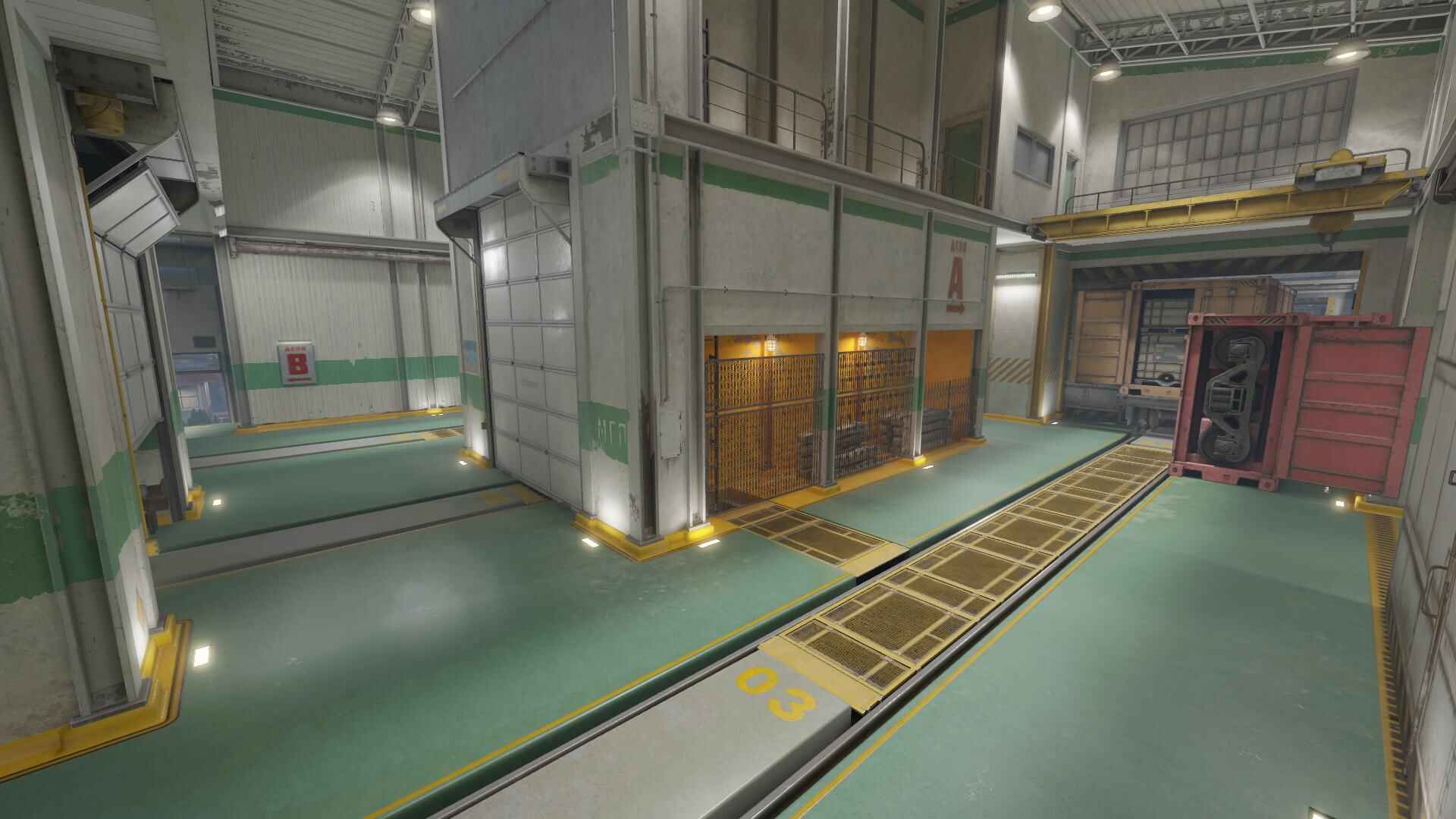
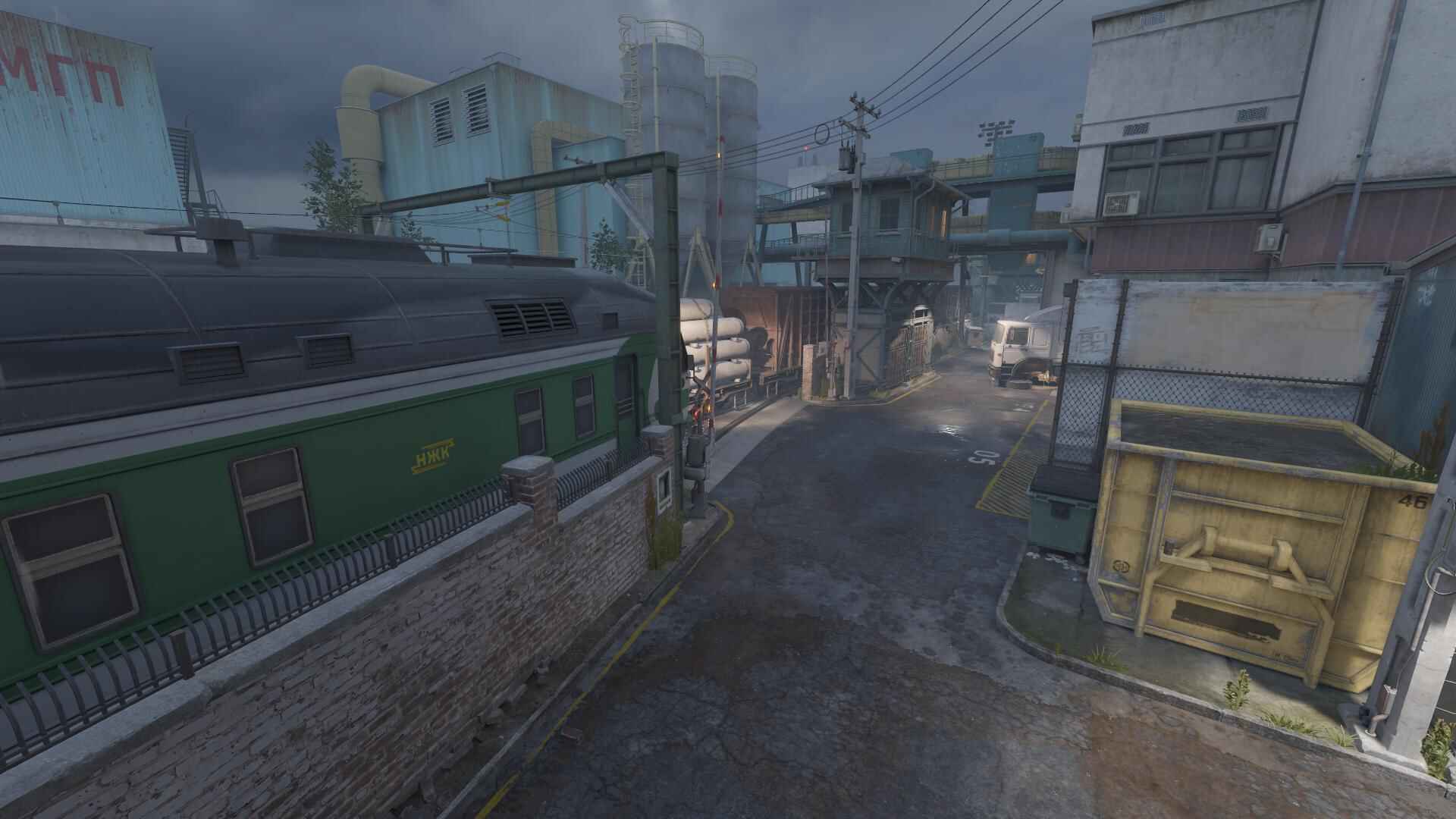
Train is a bomb-defusal map set in an industrial Soviet train yard (USSR). It mixes wide-open areas with tight, close-quarters sections, so you’ll face a blend of long-range fights and up-close duels. The map is known for its long sightlines, stacked trains, and narrow choke points, all of which make positioning and map awareness super important.
Both bomb sites are fairly open. But all the train cars provide cover and create tricky angles, giving defenders plenty of chances to hold or retake. A Site is especially open, with entry routes from Ivy, Longdog, and T Main. Attacking this site successfully means using smokes and flashes well, and coordinating with teammates so you can clear defenders from their strong positions.
If you’re on defense, you’ll need to carefully balance holding your ground and rotating when needed. Overextending can be risky, but giving up too much space is just as bad. On the other hand, attackers should use grenades wisely and time their pushes to break through effectively.
About
- Map Type: Bomb-defusal
- Faction Terrorist: Phoenix Connexion, Eastern Europe
- Faction Counter-Terrorist: SAS (Special Air Service), UK
- Location: Morocco
- Release Year: 2001
- Map code: de_dust2
Logo
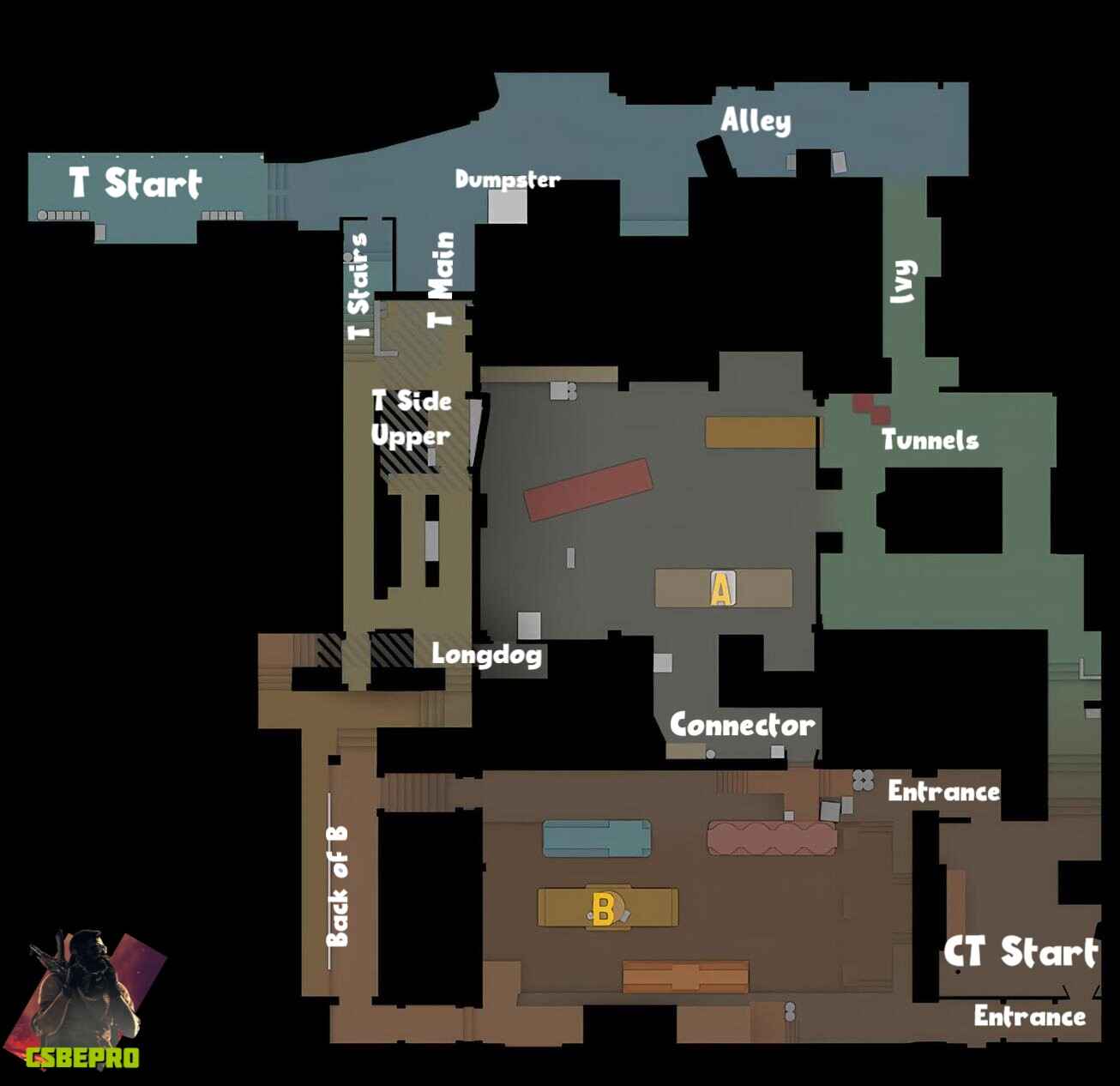
Train Map Callouts
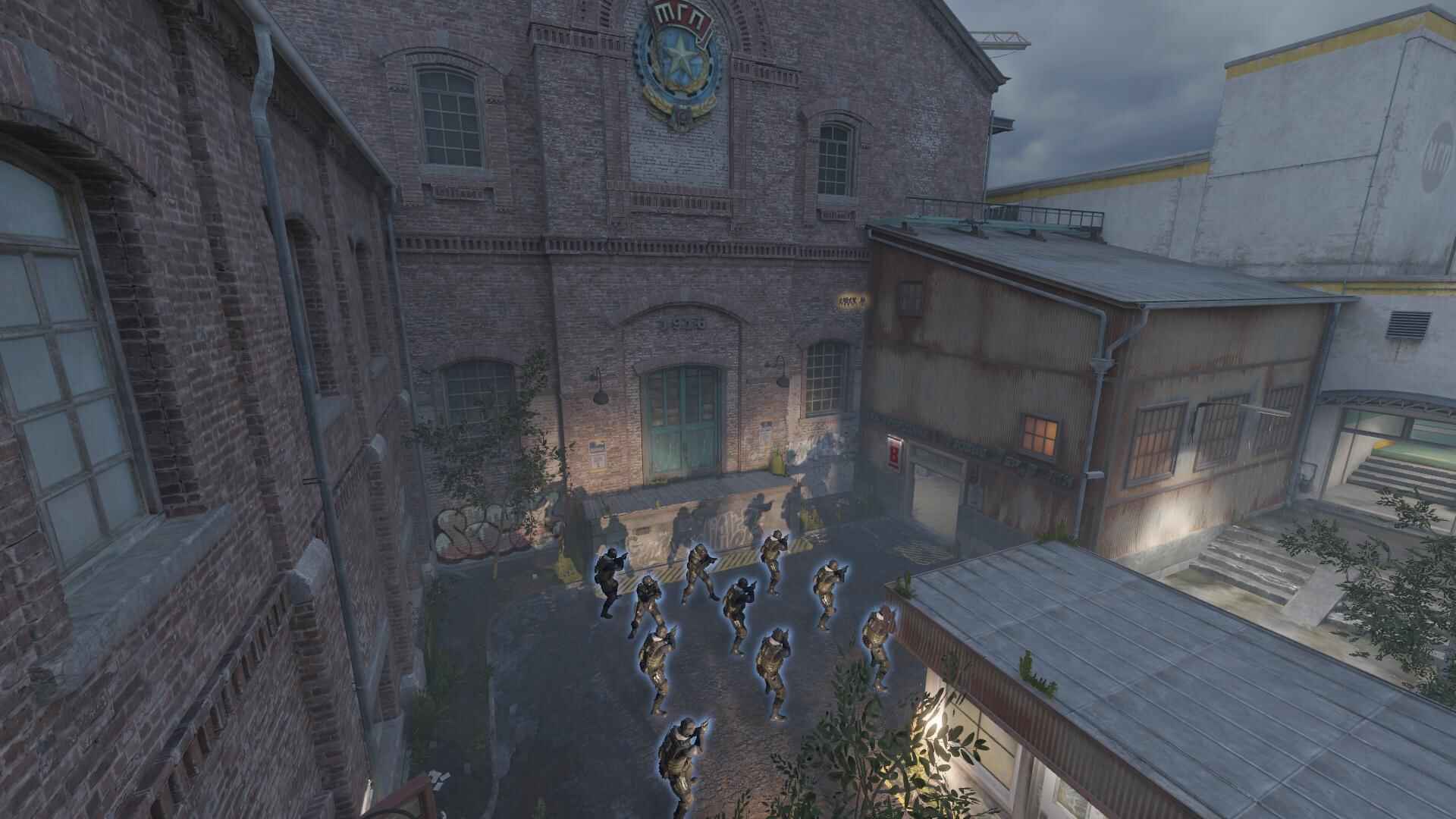
T Start – Where the Terrorists spawn at the start of each round.
Dumpster – A small area near T Start that can provide cover.
T Stairs – Stairs leading from T Start towards T Main.
T Main – A common route for Terrorists heading to A Site.
T Side Upper – A raised area near T Spawn, good for controlling B approaches.
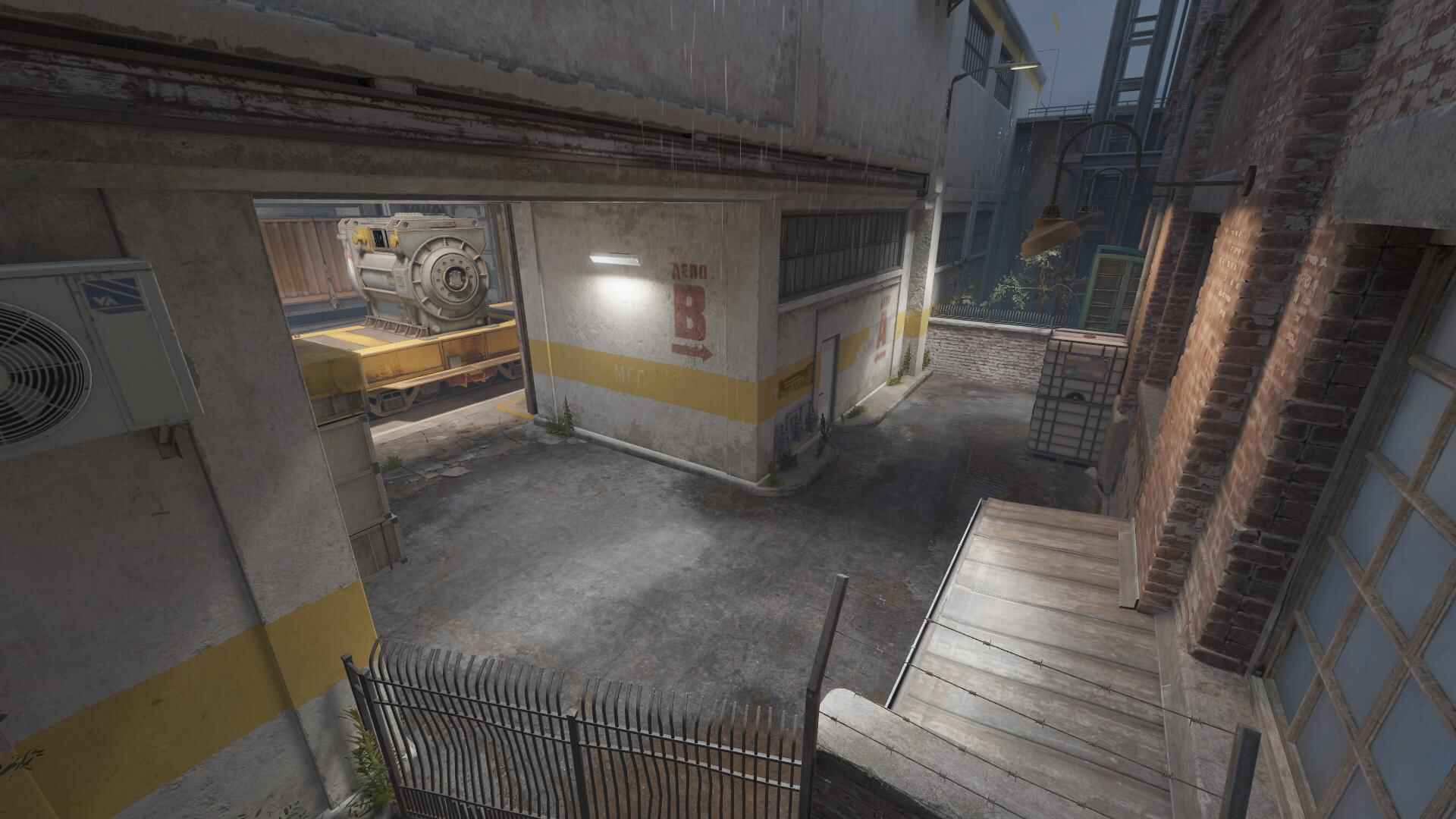
Longdog – A hallway leading to B Site, often used to rotate or push.
Ivy – A long, narrow path toward A Site, great for sneaky flanks or split pushes.
Tunnels – Passages connecting parts of the map, useful for stealthy plays.
Alley – A side path near Ivy that’s good for repositioning.
Connector – Connects A and B Sites; key for fast rotations.
Back of B – Behind the B Site; often used to hold defensive angles.
Entrance – A doorway from CT Spawn to A Site or rotation paths.
CT Start – Where Counter-Terrorists begin each round.
Tactical Strategies
Terrorist Side
When playing as a Terrorist, your job is to take control of important parts of the map and plan coordinated attacks. One popular method is the Ivy Split – sending players through Ivy to attack A Site from multiple directions. This forces defenders to cover several angles, which gives you a better shot at planting.
Another approach is the Fast B Rush – a quick, aggressive push to overwhelm the B defenders before they can react. It’s risky but can catch them completely off guard. You can also try the Default play – just spreading out across the map to get info, pick off defenders, and wait for a good moment to strike. It’s a slower strategy, but it gives you flexibility.
Don’t forget about Longdog Control. Holding Longdog gives you better access to A Site and makes it harder for defenders to rotate. If you can control Longdog and combine that with pressure from other directions, you’ll be in a strong position to take the site.
Whichever strategy you choose, make sure to use your grenades well and stick with your team. That’s what makes the difference between a failed push and a clean execution.
Counter-Terrorist Side
As a CT, your goal is to hold off attacks and defend both bombsites. Start by keeping control of choke points like Ivy and T Main – if you lose these early, the round gets much harder. Good rotations are key too. Be ready to help your teammates or fall back to defend the bombsite.
Try to play smart and avoid giving the enemy easy kills. You don’t always have to push – sometimes just holding a good angle is enough. Use smokes and flashes to slow the enemy down and force them into bad positions.
Talk to your team constantly. If someone spots enemies or hears footsteps, that info helps everyone adjust and stay ready for a push.
Tips
Winning on Train is about more than just shooting well. Learn the layout of the train cars, and pay attention to areas where fights happen often. Communicate with your teammates and let them know what you see. Don’t waste your utility – time your smokes and flashes to block off choke points or help your team push safely.
Most importantly, try to read the enemy. Are they always rushing B? Do they send one player through Ivy every round? Use that info to adjust your strategy and stay one step ahead.
Gallery
Conclusion
Train is a classic map that demands smart plays, solid teamwork, and good utility usage. Whether you’re attacking or defending, knowing the layout and working together gives you the best shot at winning. Keep practicing your callouts, learn grenade spots, and sharpen your aim, and you’ll become a serious threat on the map.
Want to sharpen your skills even further? Don’t stop here – check out other classic and competitive maps like Ancient, Anubis, Dust 2, Inferno, Italy, Mirage, Nuke, Office, Overpass, and Vertigo. Each has its own twists, tactics, and secrets waiting to be mastered.

